Introduction
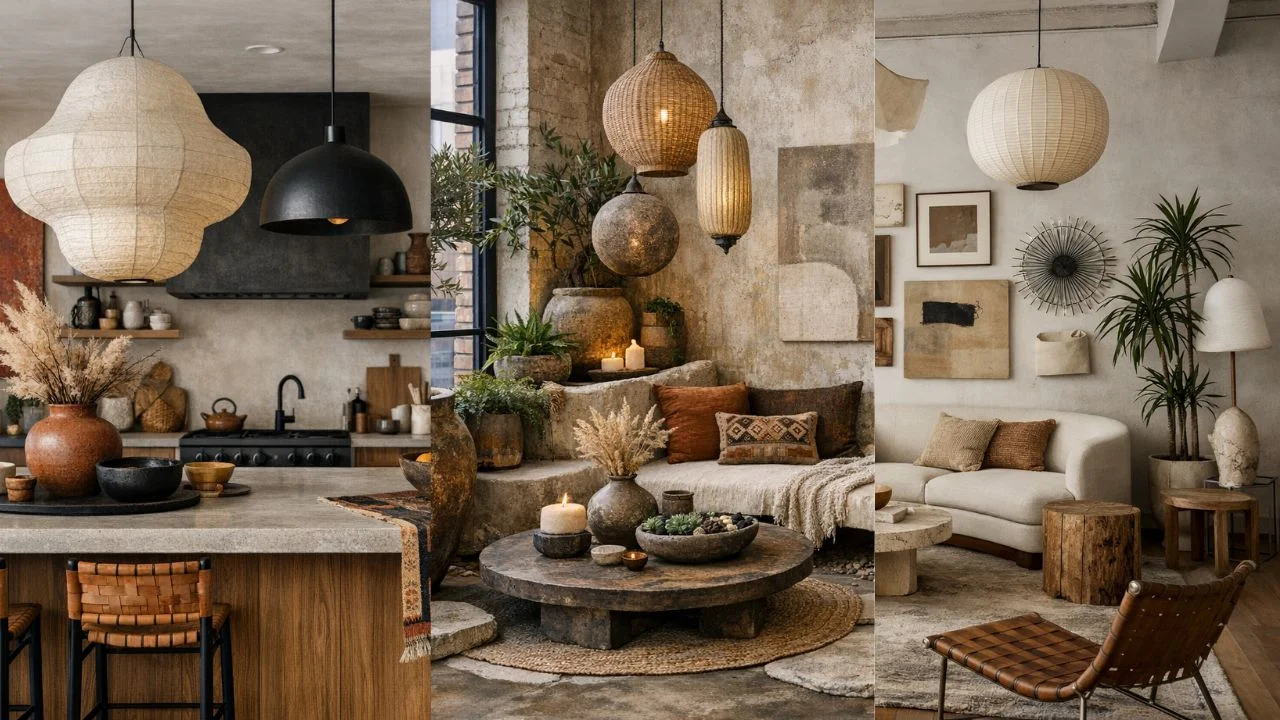
Light fixtures define how a maximalist interior is experienced. They influence how textures are perceived, how materials interact, and how the space transitions from day to evening. In layered interiors, lighting is not separate from the design—it becomes part of it.
The focus is not on intensity but on distribution and tone. When light is placed thoughtfully, it supports the overall composition and allows the room to feel cohesive rather than fragmented.
1. Light Fixtures as Structural Elements
Light fixtures contribute to the structure of a room. A pendant or lamp can establish presence and create a visual anchor that balances other elements.

In maximalism, where multiple layers exist, this structure prevents the space from feeling scattered. One dominant fixture can guide the eye while secondary lighting supports it without competing.
Pro tip: Choose one primary light fixture to define the space and keep others more understated.
2. Layering Light Across Levels
Layered lighting creates depth by placing light at different heights. Overhead fixtures provide general illumination, while table and floor lamps introduce softer, localized light.

This variation allows the room to unfold gradually. Materials appear more dimensional, and the space feels more balanced.
Pro tip: Combine at least three light sources at different levels to avoid flat lighting.
3. Diffused Light and Soft Edges
Diffused lighting reduces harshness and creates a more even distribution of light. Materials like paper and linen soften the glow, allowing it to spread without creating sharp contrasts.

In maximalism, where surfaces and textures are layered, this softness helps maintain visual calm. It prevents the room from feeling overly defined or rigid.
Pro tip: Use shades made of natural materials to soften the overall lighting effect.
4. Warm Light and Material Depth
Warm-toned light enhances the richness of materials. Wood appears deeper, textiles feel softer, and ceramics gain subtle variation.
This consistency is important in maximalism, where multiple materials coexist. A unified light temperature helps tie these elements together.
Pro tip: Use warm bulbs to maintain cohesion across all light fixtures.
5. Integration with Surrounding Materials
Light fixtures should relate to the materials already present in the room. A lamp with a ceramic base, a wooden detail, or a linen shade can echo nearby textures.
This connection allows lighting to feel integrated rather than separate. It becomes part of the overall layering instead of standing out unnecessarily.
Pro tip: Match at least one material in your lighting to another element in the space.
6. Transition from Day to Evening
Lighting becomes more prominent as natural light fades. During the day, it remains subtle. In the evening, it defines the space.
This shift changes how the room is perceived without altering the physical layout. Softer, lower lighting creates a more contained and focused environment.
Pro tip: Use dimmable fixtures to adjust light levels throughout the day.
7. The Role of Shadows
Shadows add dimension and variation. They highlight textures and create subtle contrasts that direct light alone cannot achieve.
In maximalism, this interplay supports the layered nature of the space. It allows materials and forms to stand out without additional decoration.
Pro tip: Position light slightly off-center to encourage natural shadow formation.
More on Maximalism
How to Style a Maximalist Home Using Memories, Art, and Travel Objects
Collected Maximalism: The Art of Composed Intensity
12 Types of Maximalism in Interior Design — And How to Use Them Intentionally
Collected vs Curated in Maximalist Interiors: Is There a Difference?
The Psychology of Maximalism: Emotional Density in Layered Interiors
Minimal Maximalism: Abundance Within Restraint
The Maximalist Way to Shop: How to Collect with Intention
Maximalist Interior Design: Layering Texture, Form, and Warm Earth Tones
8. Balancing Function and Atmosphere
Lighting must remain functional while supporting the overall mood. Task lighting ensures usability, while ambient lighting maintains softness.
The balance between the two allows the space to remain practical without losing its layered quality.
Pro tip: Use focused lighting where needed, but keep surrounding light soft.
9. Repetition for Cohesion
Repeating elements in light fixtures creates visual consistency. This can be through shape, material, or tone.
Repetition connects different areas of the room and reinforces the overall design language without requiring identical pieces.
Pro tip: Repeat one lighting detail across the room to create subtle continuity.
10. Light as a Final Layer
Light fixtures complete the composition. They bring together the materials, forms, and tones already present in the space.
When placed with intention, lighting does not draw attention to itself. Instead, it supports the room as a whole, allowing each element to feel balanced and considered.
Pro tip: Evaluate your space in the evening to understand how lighting shapes the final result.
10 Common Mistakes to Avoid When Selecting Light Fixtures for a Maximalist Home
1. Relying Only on Overhead Lighting
A single ceiling fixture flattens the space and removes depth. In maximalism, this creates a disconnect between materials, making textures feel less defined and the room less layered.
The absence of secondary light sources also limits how the space transitions throughout the day. Without variation, the room feels static rather than responsive.
Pro tip: Always pair overhead lighting with at least one table or floor lamp.
2. Choosing Fixtures That Are Too Small
Undersized light fixtures disappear within a layered interior. In maximalism, where objects and textures carry presence, scale becomes essential to maintain balance.
A fixture that is too small disrupts the visual weight of the room, making the composition feel incomplete rather than cohesive.
Pro tip: When in doubt, go slightly larger to maintain proportion.
3. Mixing Too Many Unrelated Styles
Combining too many fixture styles without a common thread creates visual tension. Instead of feeling collected, the space begins to feel fragmented.
Maximalism benefits from variation, but it still requires subtle consistency—through material, tone, or form.
Pro tip: Repeat at least one element (material or shape) across fixtures.
4. Ignoring Light Temperature
Cool-toned lighting can disrupt the warmth of earthy interiors. It alters how materials appear, making wood feel dull and textiles less inviting.
In a maximalist home, where warmth is often layered through color and texture, inconsistent lighting breaks that continuity.
Pro tip: Stick to warm bulbs for a cohesive atmosphere.
5. Overusing Statement Fixtures
Too many bold light fixtures compete for attention and remove hierarchy. Instead of guiding the eye, they create visual noise.
Maximalism is layered, not crowded. Each element should have space to exist without overpowering others.
Pro tip: Limit statement fixtures to one per zone.
6. Ignoring Placement and Height
Poor placement can make even the best fixture feel disconnected. Lights that are too high, too low, or poorly positioned disrupt the flow of the room.
Placement influences not just function, but how light interacts with surrounding surfaces and objects.
Pro tip: Consider both eye level and surface height when placing fixtures.
7. Choosing Harsh or Direct Lighting
Direct, unfiltered light creates sharp contrasts that can feel harsh in a layered interior. It highlights rather than softens, reducing the sense of cohesion.
Maximalism benefits from light that diffuses and blends, allowing textures to emerge gradually.
Pro tip: Use shades or diffusers to soften the light output.
8. Neglecting the Role of Shadows
Ignoring how light creates shadows removes depth from the space. Without shadow variation, textures appear flat and less dimensional.
In maximalist interiors, shadows contribute to the overall layering, subtly defining edges and surfaces.
Pro tip: Position lighting to allow natural shadow play.
9. Treating Lighting as an Afterthought
Selecting light fixtures at the end often leads to mismatched choices that don’t align with the room’s materials or tone.
Lighting should be considered early, as it influences how every other element will be perceived.
Pro tip: Plan lighting alongside furniture and material selection.
10. Prioritizing Aesthetics Over Function
While appearance matters, ignoring functionality leads to impractical spaces. Areas meant for reading, working, or movement require sufficient light.
Maximalism works best when atmosphere and usability are balanced.
Pro tip: Combine task lighting with ambient lighting for a complete setup.
Conclusion
Light fixtures in maximalism function as both practical elements and compositional tools. They influence how the space is structured, how materials are perceived, and how the overall atmosphere is maintained.
A well-lit interior relies on consistency, layering, and restraint. When these elements are aligned, lighting supports the design without overwhelming it.
The result is a space that feels cohesive, grounded, and complete, where light becomes part of the overall structure rather than a separate feature.
10 FAQS About Light Fixtures for a Maximalist Home
1. How do light fixtures impact maximalism interiors?
Light fixtures define how layered elements are perceived in maximalism. They influence depth, warmth, and how textures interact across the space.
2. What light fixtures work best in maximalism?
Pendant lights, table lamps, and diffused fixtures like paper or linen shades work best, as they support layering without creating harsh contrast.
3. How many light fixtures should a maximalist room have?
A maximalist room should include multiple light fixtures at different heights to create depth and avoid flat lighting.
4. Should light fixtures match in a maximalist home?
Light fixtures do not need to match exactly, but they should share a common element such as material, tone, or shape for cohesion.
5. What is the best lighting temperature for maximalism interiors?
Warm lighting works best, as it enhances natural materials and maintains a cohesive, inviting atmosphere.
6. Can maximalism interiors use statement light fixtures?
Yes, but statement light fixtures should be used sparingly to maintain balance and avoid visual competition.
7. How do you layer lighting in maximalism interiors?
Layer lighting by combining overhead fixtures, table lamps, and floor lamps to distribute light evenly across the space.
8. Are pendant lights suitable for maximalism design?
Pendant lights are ideal for maximalism, especially when used as sculptural elements that add structure and presence.
9. How do light fixtures affect texture in interiors?
Light fixtures highlight textures by casting soft light and shadows, making materials appear more dimensional.
10. What mistakes should be avoided when choosing light fixtures for maximalism?
Avoid relying only on overhead lighting, mixing cool and warm bulbs, choosing fixtures that are too small, or ignoring placement and layering.


